




Why Unlined Bras Are Having a Moment: Less Bulk, More Natural Shape
For years, the everyday bra category was dominated by thick foam cups and heavily molded T-shirt bras. The promise was simple: more padding would create a smoother, more “perfect” shape under clothing.
But many bra wearers are now looking for something different—less bulk, more breathability, and a silhouette that looks like their own body, only supported.
That is where unlined bras come in.
An unlined bra does not mean an unsupported bra. It simply means the cup is made without thick foam padding. Depending on the style, it may use one or more layers of stretch fabric, mesh, seams, underwire, side panels, or flexible support zones to shape the bust.
The result can feel lighter, cooler, and more personal.
What Is an Unlined Bra?
An unlined bra has little to no foam inside the cups. Some are sheer and minimal. Others use double-layer fabric for more coverage and stability. They can be wireless or underwired, soft pull-on bralettes or highly structured full-coverage styles.
“Unlined” describes the cup—not the level of support.
A supportive unlined bra may still include:
- a firm underband;
- underwire or flexible internal support;
- reinforced side wings;
- double-layer stretch fabric;
- cup seams that shape the bust; and
- adjustable straps.
The Appeal of a Natural Shape
A molded bra asks the breast to fit into a pre-formed cup. An unlined bra is more likely to adapt to the breast.
This can create a shape that feels more natural because the bra follows your existing curves rather than replacing them with a fixed round mold. For people who have softer tissue, asymmetry, less upper fullness, or breasts that change through the month, that flexibility may lead to a better fit.
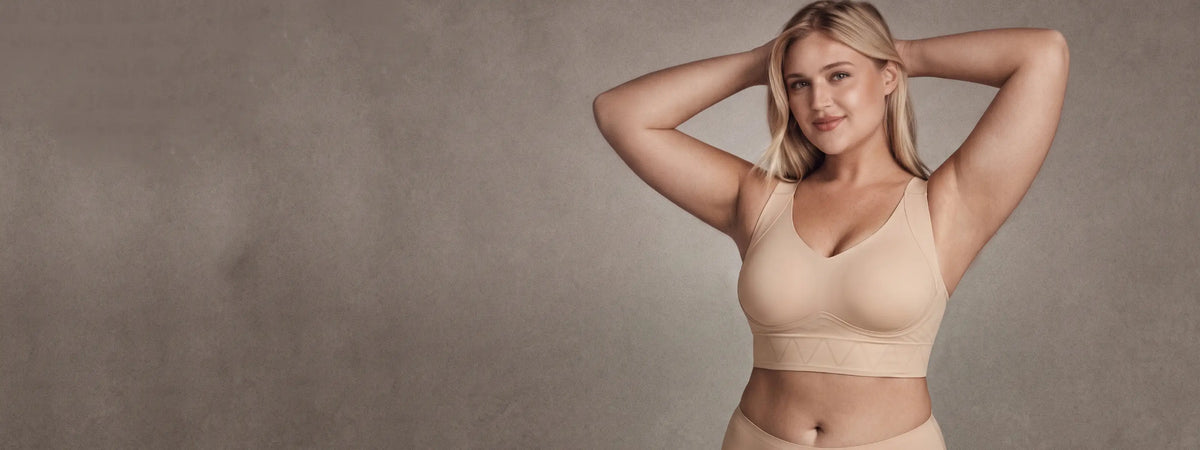
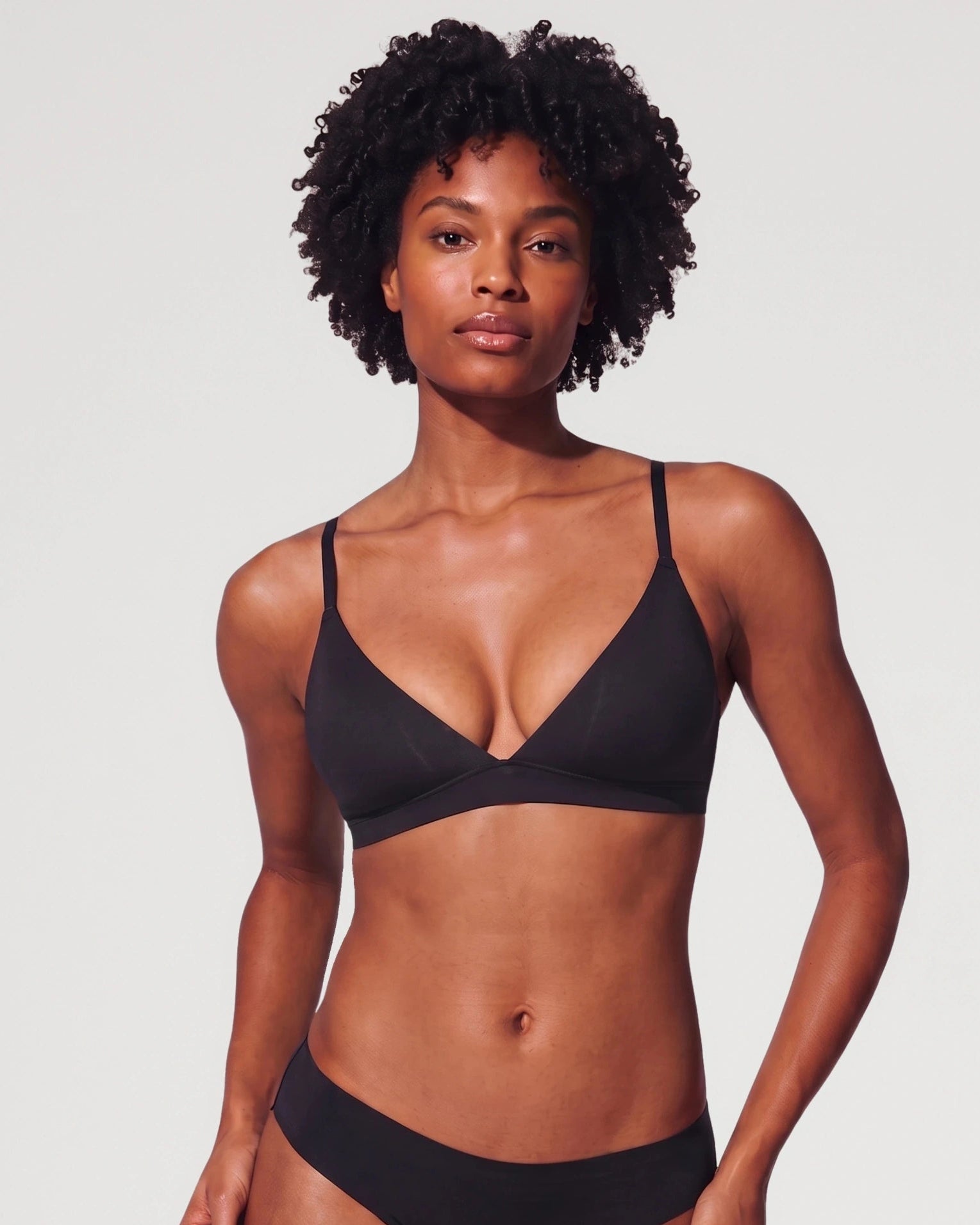
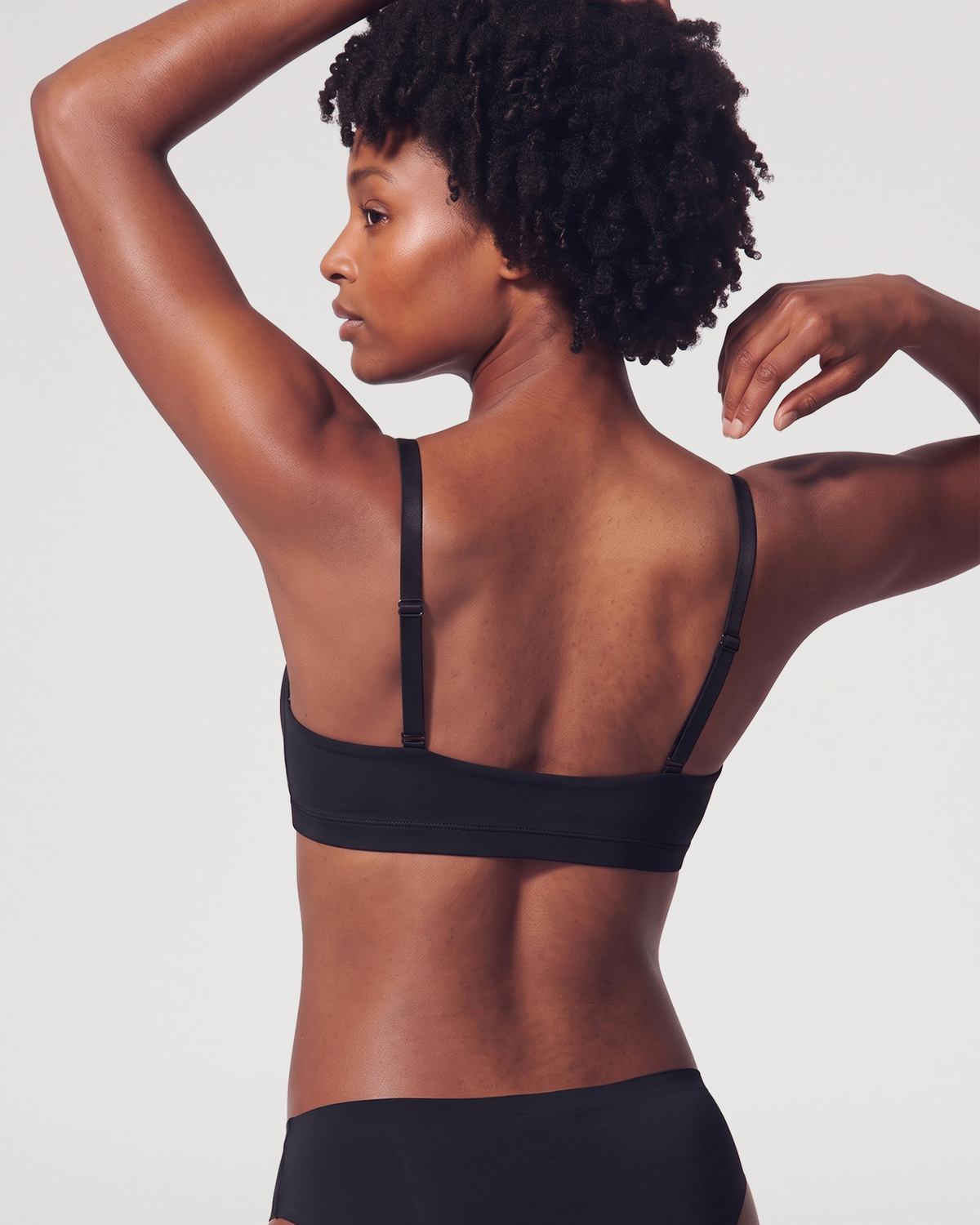
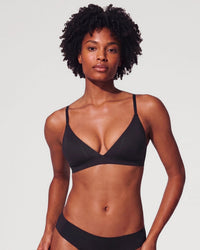
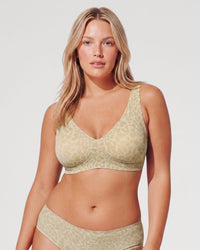
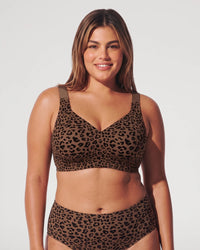
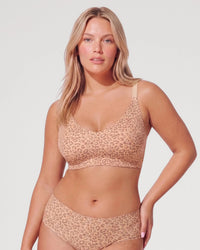
LilyCurve’s Everyday Wireless Plunge Bralette – Unlined uses two layers of stretch fabric to provide coverage and gentle lift without wire or padding. The deep-V neckline also works beneath lower-cut tops and dresses, where a taller molded cup might show.
Less Padding Can Mean Less Gaping
Foam cups hold their shape even when your body does not completely fill them. That can create a visible gap at the neckline, especially for shallow breasts, fuller-on-bottom shapes, or people with less upper fullness.
An unlined stretch cup sits closer to the breast and can move more naturally as you change positions. It may be less likely to create a rigid empty pocket when you sit or lean forward.
If your molded bras look smooth while standing but gap whenever you move, an unlined style may be worth trying.
Breathability Makes a Difference
Thick foam can trap heat, especially during warm weather, travel, or long days. Lightweight fabrics and mesh allow more airflow and reduce the heavy feeling some people experience with padded bras.
This makes unlined bras appealing for:
- warm climates;
- commuting and travel;
- layering under sweaters or jackets;
- long workdays;
- anyone who dislikes the feeling of dense foam; and
- people whose skin is sensitive to pressure and heat.
An unlined bra can still provide opacity through layered fabric, strategic seams, prints, or nipple covers when desired.
Wireless vs. Underwire Unlined Bras
The best choice depends on the support level and silhouette you want.
Wireless unlined bras
A wireless unlined bra prioritizes softness and movement. It may use layered stretch fabric and a secure band to create gentle lift. This style is well suited to low-pressure everyday wear, casual outfits, travel, and anyone who prefers a flexible fit.
Underwire unlined bras
An underwire unlined bra combines lightweight cups with a more defined frame. It can create stronger separation and projection without adding foam.
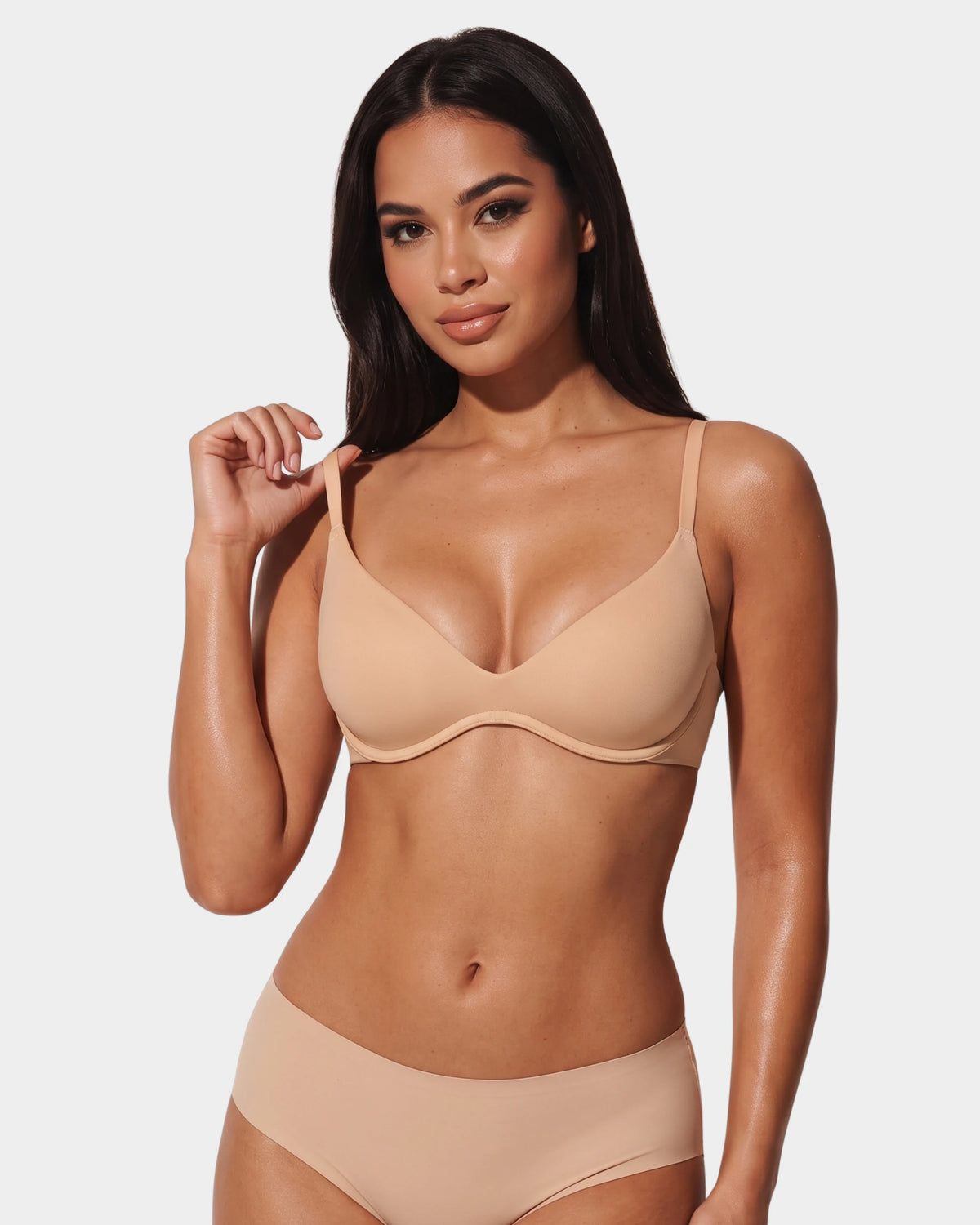
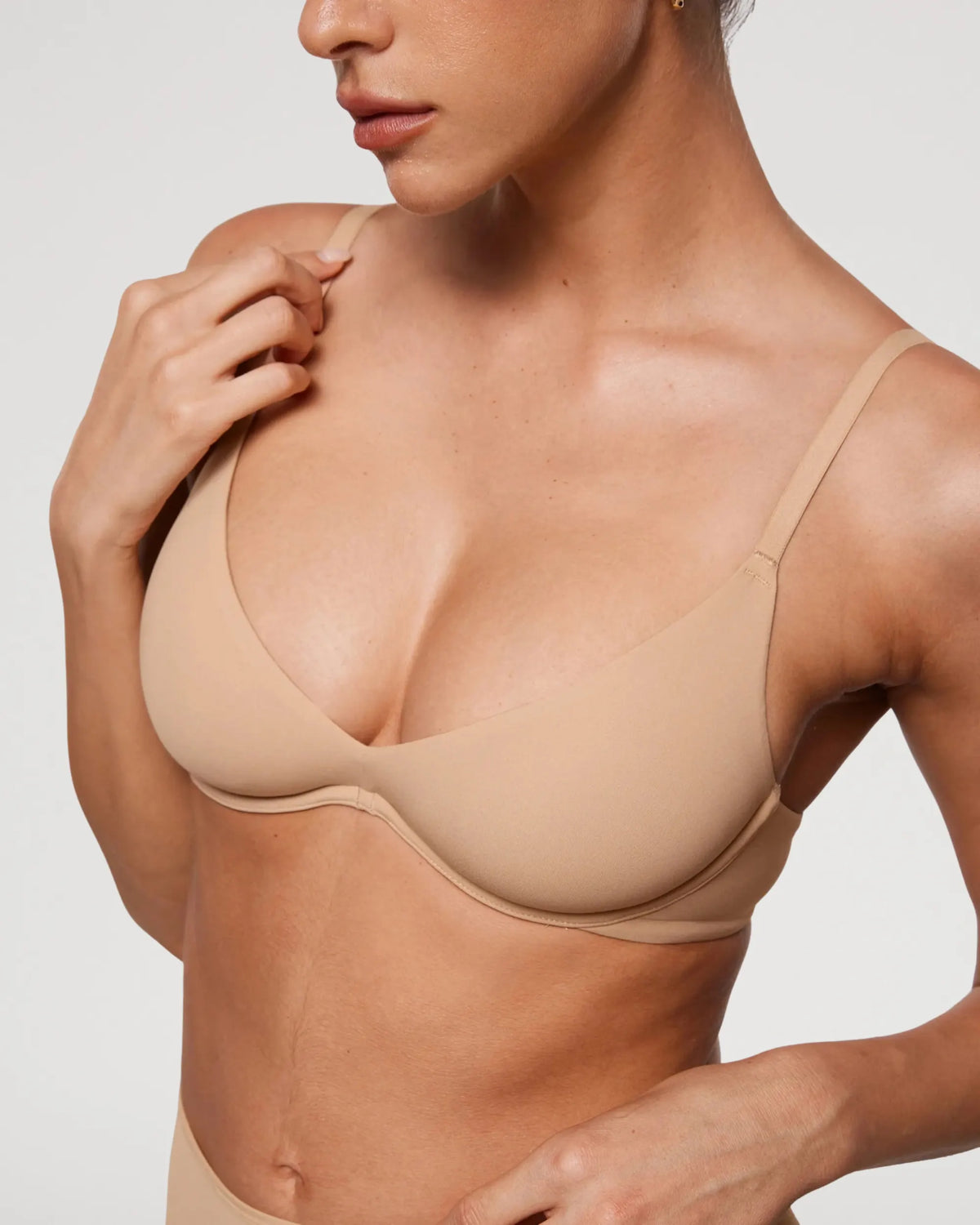
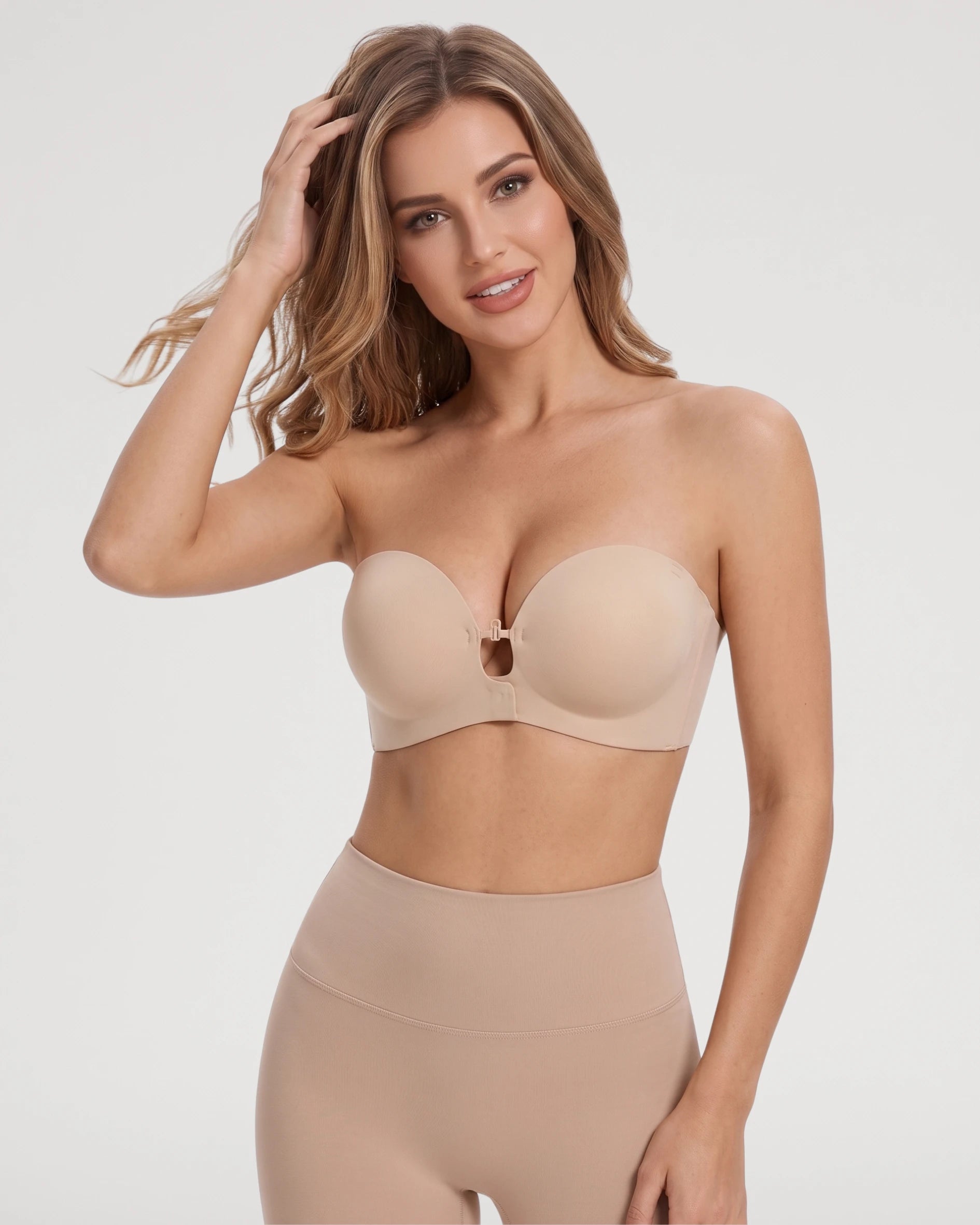
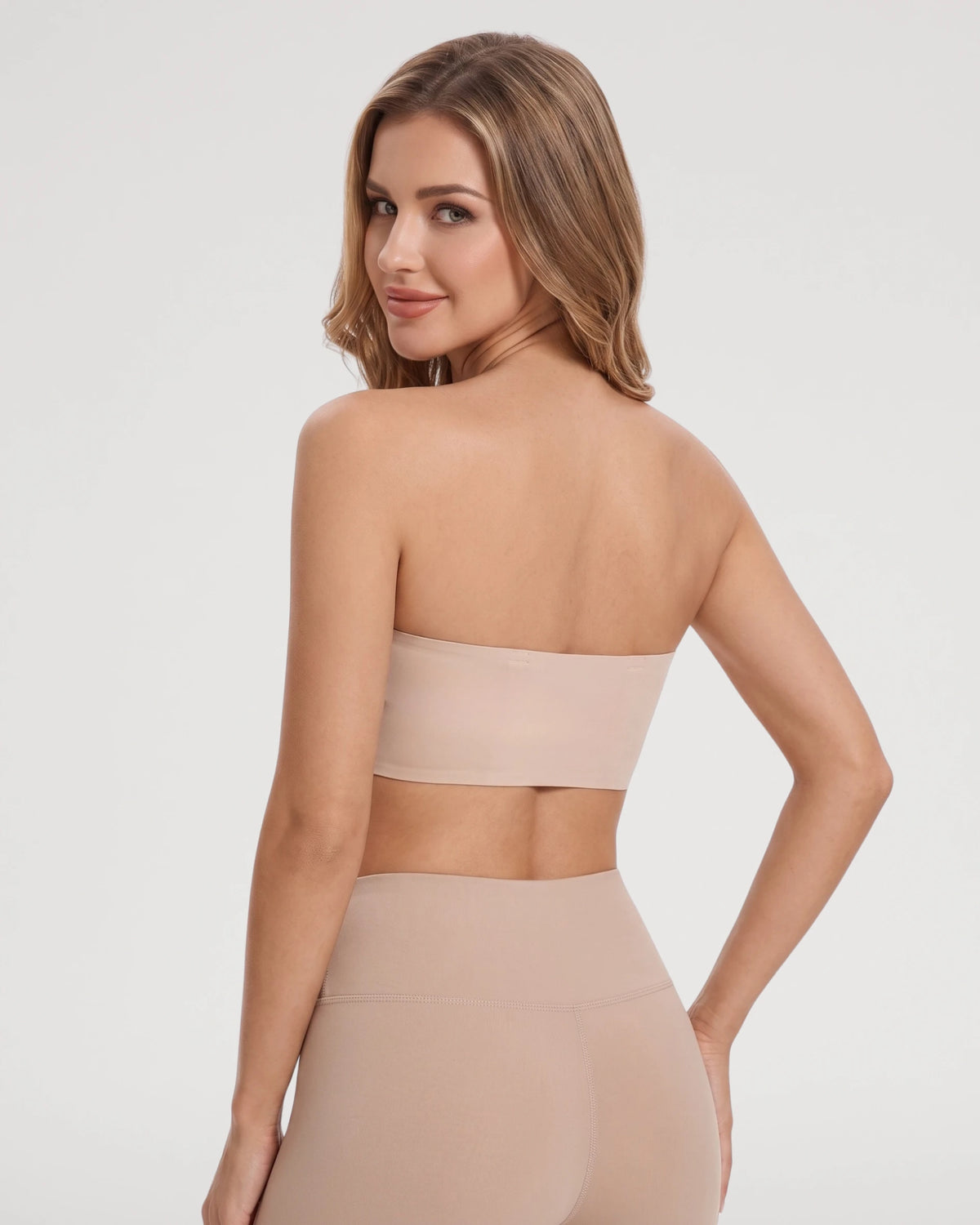
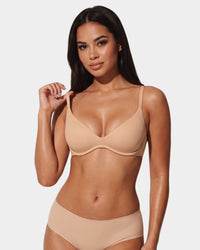
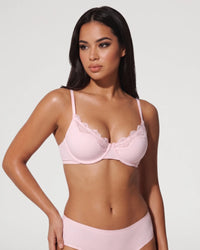
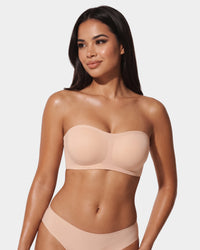
The Seamless Unlined Balconette Underwired Bra uses a double-layer unpadded cup with underwire, wide adjustable straps, and a smooth surface designed to stay discreet beneath clothing. Its balconette neckline is also useful under square-neck and lower-cut tops.
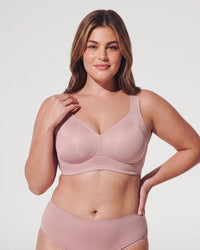
For fuller coverage, LilyCurve’s [Unlined Underwire Full Coverage Bra](https://lilycurve.com/products/unlined-underwire-full-coverage-bra-bundle) pairs unlined cups with a softly wrapped outside underwire and is offered through H cups.
What About Nipple Coverage?
This is the most common question about unlined bras, and the honest answer is that coverage varies.
Some double-layer styles offer enough opacity for many outfits, while sheer mesh and thin fabric may show more texture beneath lightweight tops. Neither result is wrong—it is a matter of personal preference.
If you want the fit of an unlined bra with extra coverage, try:
- reusable nipple covers;
- a lightly textured or darker top;
- a camisole layer;
- a double-layer unlined style; or
- a padded bra on days when a completely smooth finish matters most.
Your bra wardrobe can include both. An unlined bra does not need to replace every molded bra to become one of your most-worn styles.
How an Unlined Bra Should Fit
Because the cup fabric follows the body closely, fit issues can be easier to see.
Look for:
- fabric lying smoothly without major wrinkles;
- no cutting in at the top edge;
- the band sitting level;
- the cup fully containing the breast;
- underwire, if present, surrounding the tissue rather than resting on it; and
- straps that stay in place without digging.
A small amount of natural texture is expected. The goal is not to erase the body beneath the bra. The goal is comfortable lift and a secure, flattering shape.
The Takeaway
Unlined bras are gaining attention because they offer something many people have been missing: support without unnecessary bulk.
They feel lighter, adapt more easily to different breast shapes, and allow the body’s natural silhouette to remain visible. Whether you choose a soft wireless plunge or a structured underwire balconette, “less bra” can still mean thoughtful support.
Explore LilyCurve’s Everyday Wireless Plunge Bralette – Unlined for a flexible second-skin feel, or try the Seamless Unlined Balconette Underwired Bra for lightweight structure and lift.