




Why Does My Bra Gap at the Top? Breast Shape, Cup Construction, and the Fix
You put on a bra that seems to be your size. The band feels fine. Nothing is spilling out. But when you look down, there is an empty space between your breast and the top of the cup.
Cup gaping is one of the most common bra frustrations—and one of the most misunderstood. Many people immediately assume the cup is too large. Sometimes it is. But gaping can also happen when the cup shape, neckline, padding, or strap position does not match your natural breast shape.
The solution begins with understanding where the gap appears and when it happens.
First, Check the Band
A band that is too loose can shift around the body, pulling the cups away from the bust. Before changing cup size, check that the band sits level across your back and stays in place when you lift your arms.
If the band rides upward, try a smaller band size. Remember that changing the band can affect the cup volume, so you may need a sister size—for example, moving from a 36B to a 34C to keep a similar cup volume with a firmer band.
Breast Shape Matters as Much as Breast Size
Bra sizes describe measurements, but they do not fully describe shape. Two people can wear the same size and need very different cup constructions.
Shallow or Fuller-on-Bottom Breasts
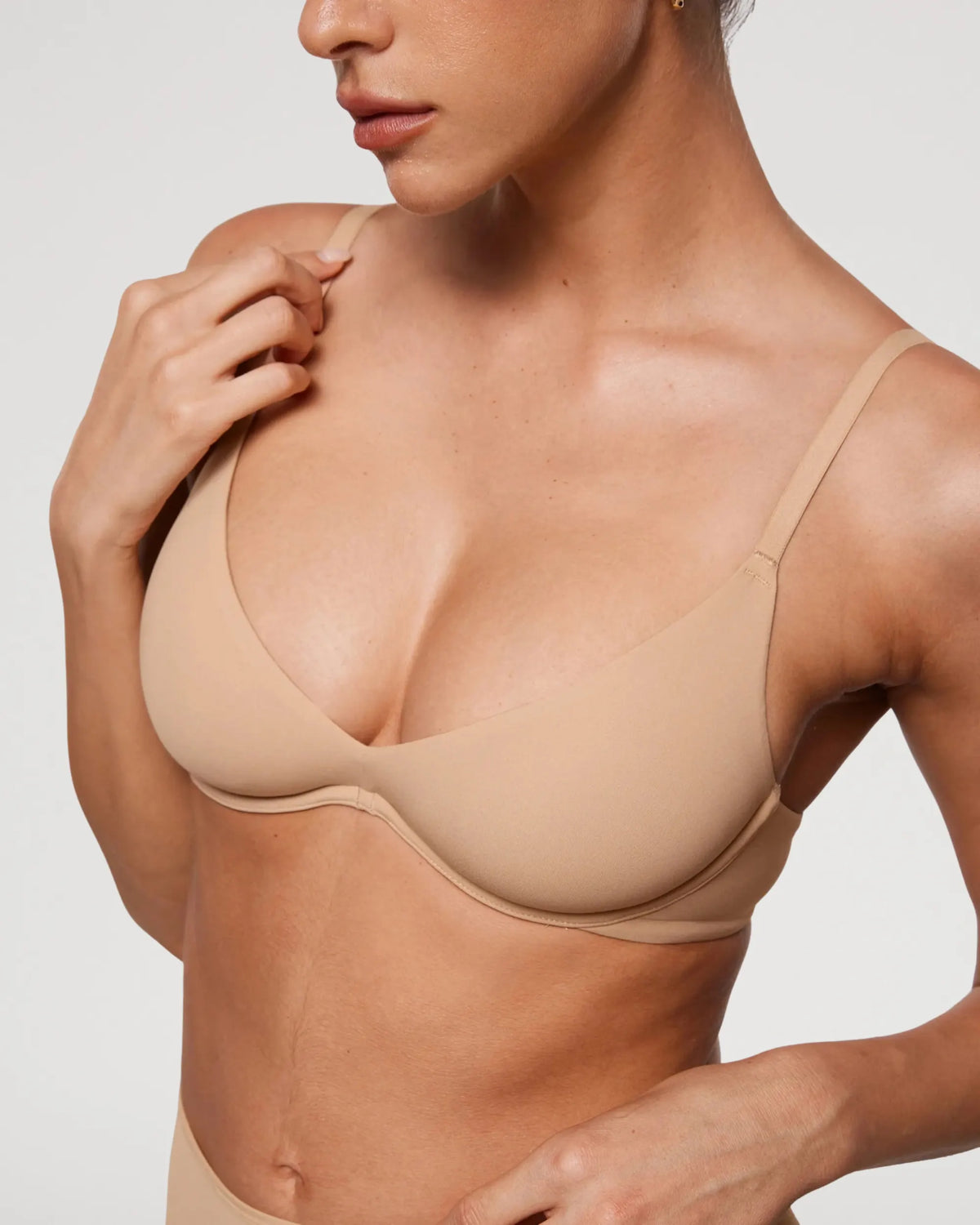
If you have less fullness at the top of the breast, a tall full-coverage cup may leave empty space along the neckline even when the cup volume is technically correct.
A balconette, demi, or plunge shape may work better because its cup edge sits lower on the bust. These styles meet the breast where the fullness naturally is instead of expecting upper fullness that may not be there.
Fuller-on-Top Breasts
If most of your fullness sits higher on the breast, a cup with a closed or rigid top edge may cut in. You may size up to avoid overflow—then discover that the lower part of the cup no longer fits.
Look for stretch at the upper cup, a more open neckline, or a cup designed to accommodate changing fullness.
Wide-Set Breasts
If there is more space between your breasts, a narrow or very deep cup can create empty areas near the center. A wider cup base or balconette shape may align more naturally with your breast roots.
Asymmetrical Breasts
Most people have some natural asymmetry. If one cup fits and the other gaps, fit the bra to the larger breast. Then slightly shorten the strap on the smaller side or choose a style with light, fixed shaping that smooths the difference.
Removable Pads Can Create New Fit Problems
Removable pads sound convenient, but they can fold, rotate, bunch, or shift during washing and wear. When the pad moves away from the breast, the cup may look uneven or create a visible gap under clothing.
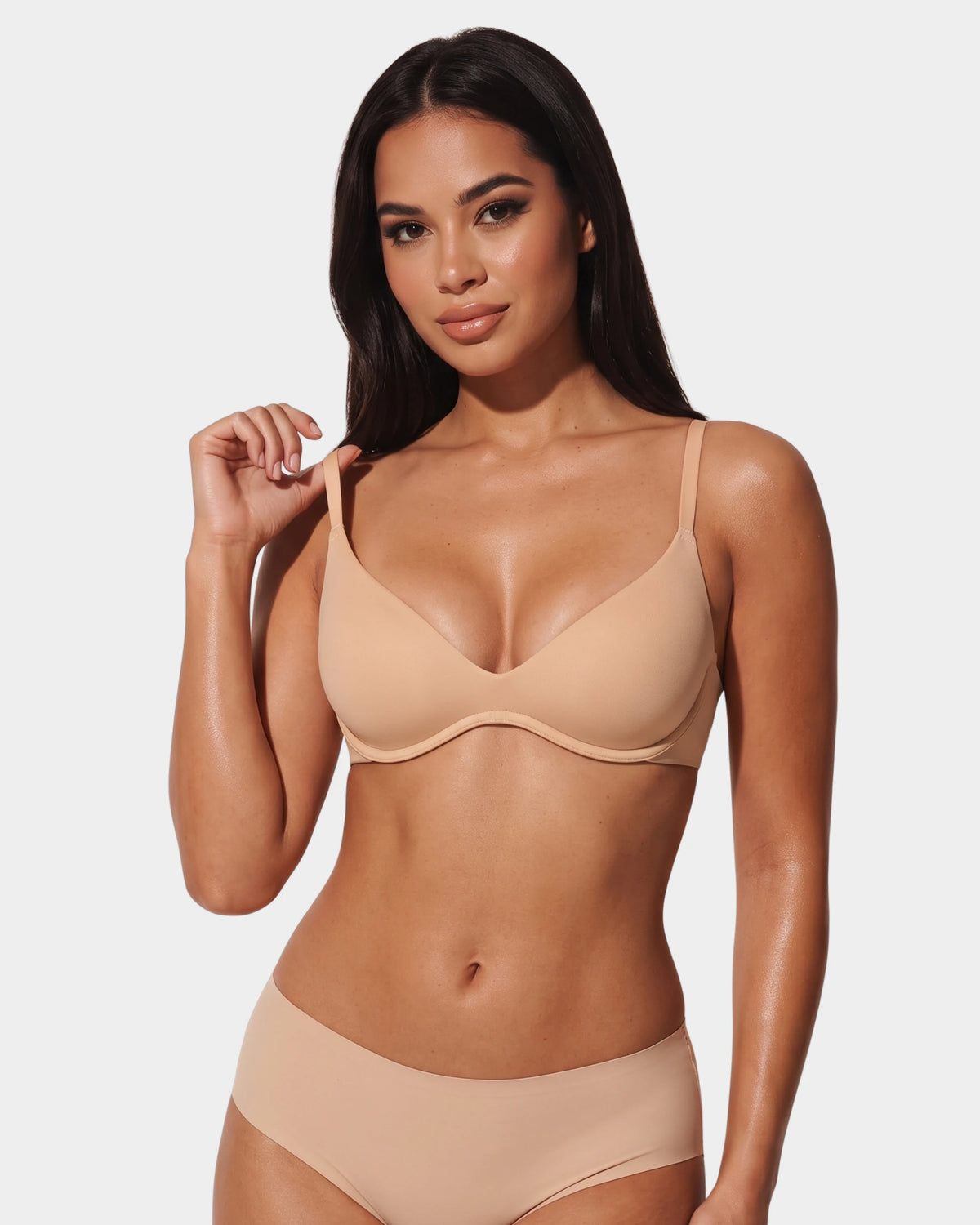
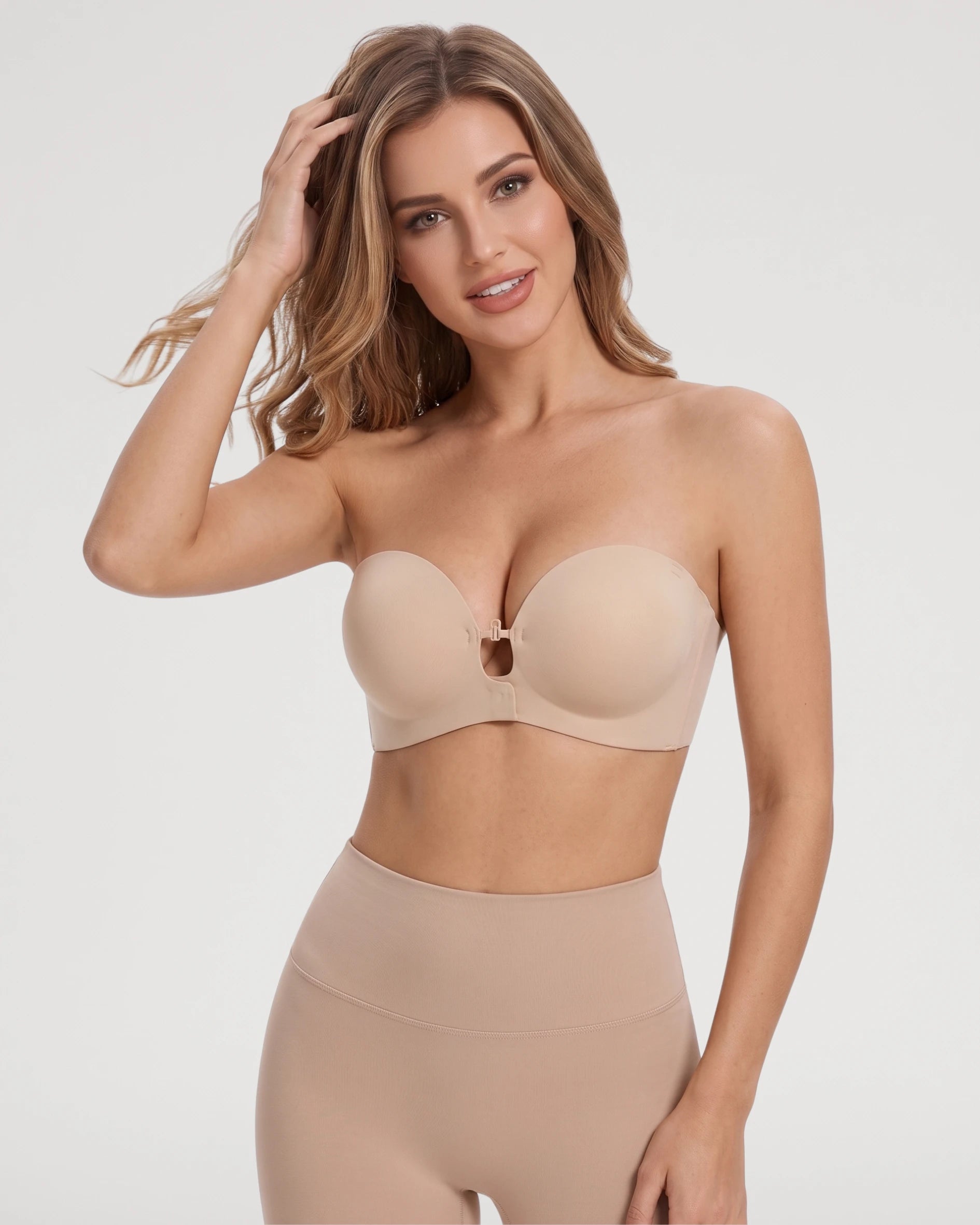
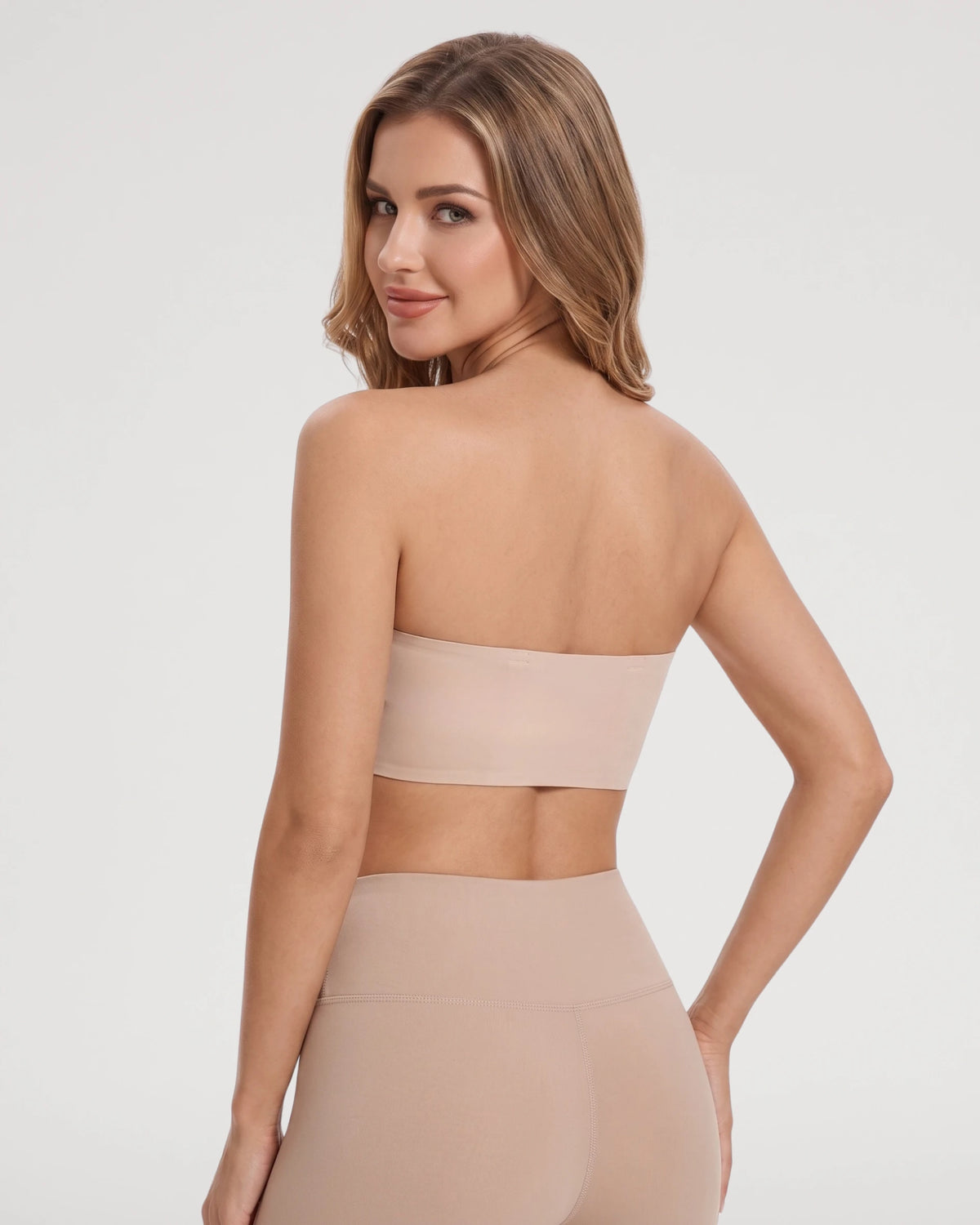
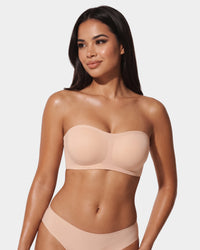
Fixed or molded cup construction can provide a more consistent outline because the shaping stays in place. LilyCurve’s Wireless Front-Closure Molded Push up Strapless Bra uses non-shift molded cups to maintain a stable, rounded shape throughout the day.
If you prefer a natural, unpadded look, the answer is not necessarily more foam. An unlined cup made from supportive stretch fabric can follow the breast more closely, reducing the rigid space that sometimes appears with molded bras.
When an Unlined Bra May Fit Better
A rigid molded cup holds its own shape. That can create a smooth T-shirt finish, but it also means your breast needs to match the cup fairly closely.
An unlined bra is more adaptable. The fabric conforms to the body, so it may suit people whose breast shape changes through the month, whose tissue is softer, or whose upper fullness does not fill a fixed cup.
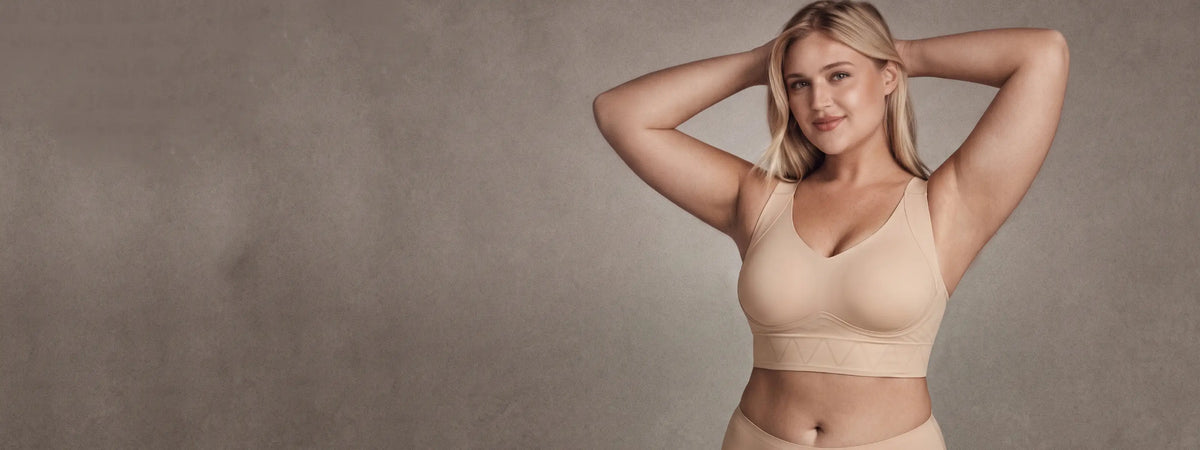
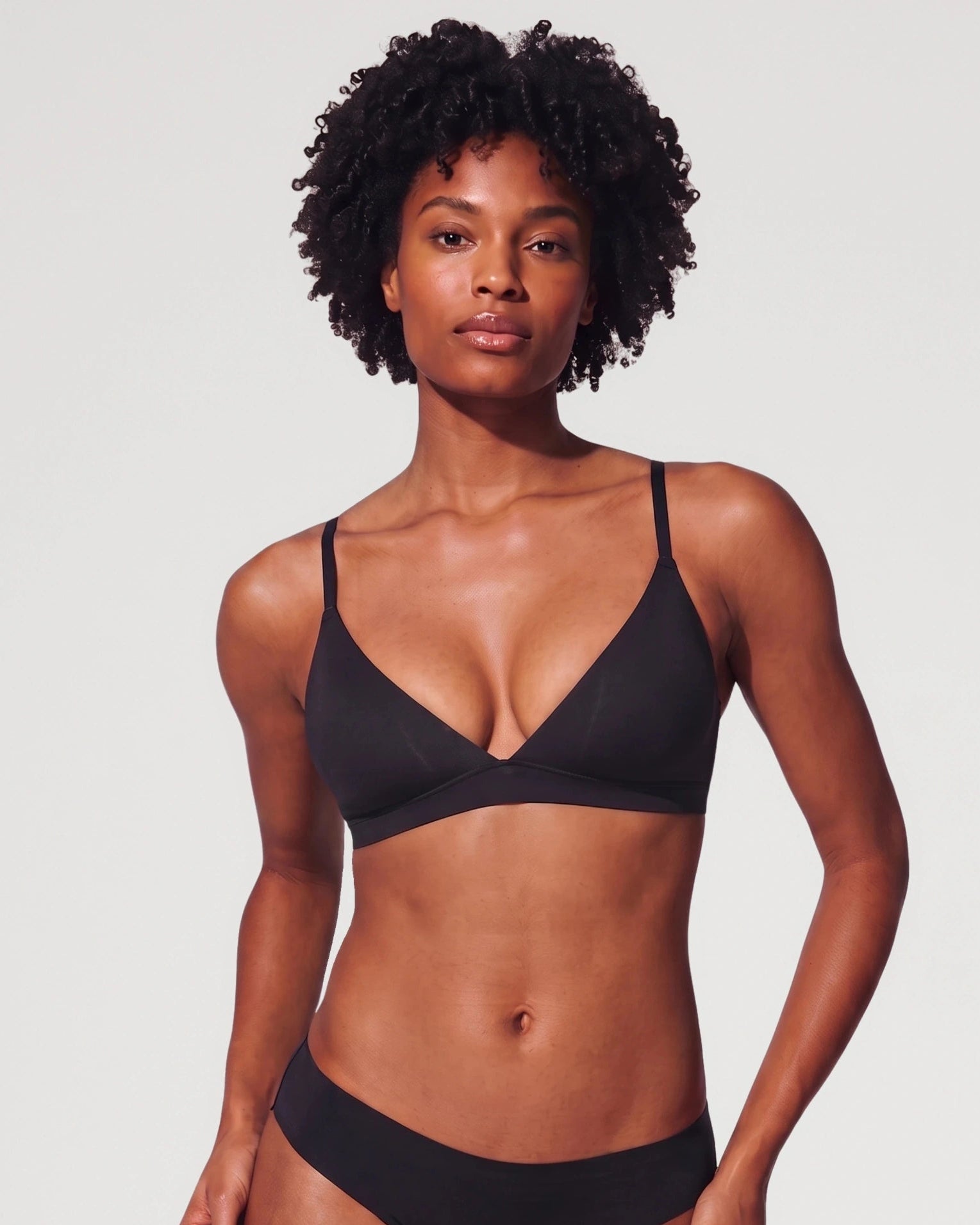
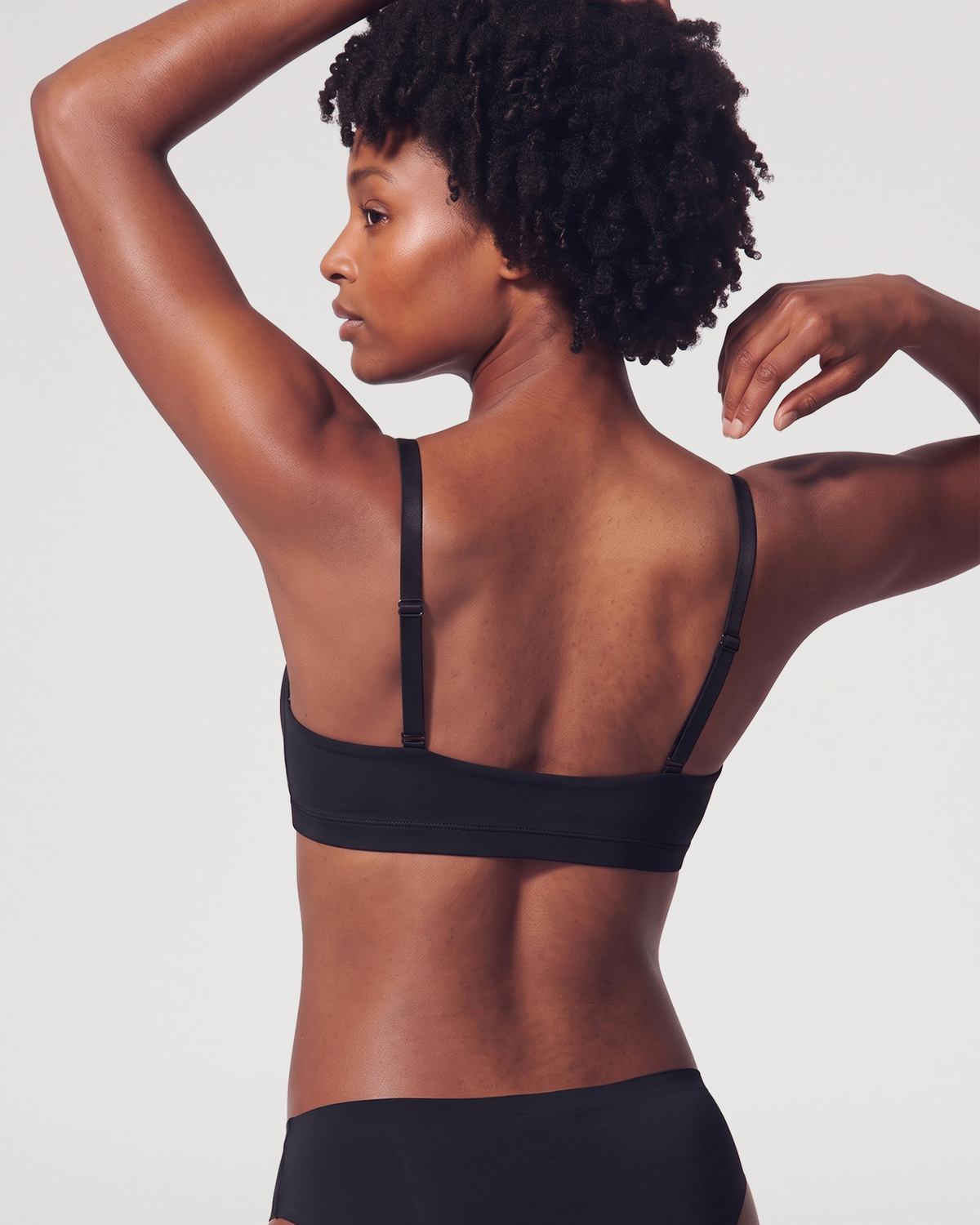
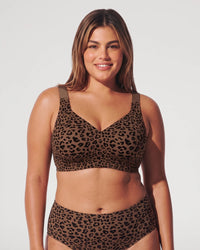
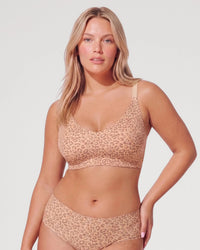
The Everyday Wireless Plunge Bralette – Unlined uses dual-layer stretch fabric and an unpadded, wire-free construction that follows the body’s natural shape. Its lower plunge neckline may also help people who regularly find empty space at the top of taller cups.
Adjust the Straps—but Do Not Overtighten
Loose straps can allow the cup to fall away from the body. Tighten them enough to keep the cup edge close, but stop if the band begins to rise or the straps dig into your shoulders.
Straps are fine-tuning tools, not the main source of support. If you need to pull them extremely tight to remove the gap, the band or cup shape is probably the real issue.
Your Posture and Movement Can Reveal the Fit
A cup may look perfect while you stand straight in front of a mirror but gap when you sit, bend, or reach forward. A small amount of movement is normal, especially in a structured cup. A large gap that shows under clothing usually means the design is not following your body closely enough.
When trying on a bra:
1. Lean forward slightly and guide all breast tissue into the cups.
2. Fasten a new bra on the loosest comfortable hook.
3. Adjust each strap separately.
4. Raise your arms, twist, and sit down.
5. Put on a fitted T-shirt to check the shape under clothing.
A bra is part of your moving wardrobe, not a display piece. Test it in the positions you actually use every day.
Quick Guide: What Your Gap May Be Telling You
- Gaping all over: The cup may be too large, too deep, or too rigid.
- Gaping only at the top: Try a lower neckline, more open cup, or unlined style.
- Gaping near the center: Look for a wider cup shape or different center construction.
- One-sided gaping: Fit the larger breast and adjust the smaller side.
- Gaping after several hours: The band may be stretching or riding up.
- Gaping when sitting: A softer or more flexible cup may move better with your body.
The Takeaway
A bra can be the correct labeled size and still be the wrong shape. Cup gaping is useful information: it tells you that the bra and your body are not meeting in the same place.
Instead of automatically sizing down, check the band, identify where your natural fullness sits, and decide whether you need a lower neckline, a more flexible cup, or stable fixed shaping. The goal is not to force your breasts to fill a cup. It is to choose a cup designed to fit your breasts.
Prefer flexible, natural shaping? Try LilyCurve’s Everyday Wireless Plunge Bralette – Unlined. For smooth, stable shaping, explore the Wireless Full-Coverage Seamless Push-Up Jelly Bra.