




Why Does My Bra Ride Up? Causes, Fit Fixes & Better Bra Choices
A bra should move with you, not against you. If you keep pulling the back band down, adjusting the front, or feeling like your bra shifts throughout the day, you are not alone. A bra that rides up is one of the most common fit problems, and it usually means one part of the bra is not supporting your body the way it should.
The good news: you do not have to settle for constant adjusting. Once you know what causes a bra to ride up, it becomes much easier to find a smoother, more secure fit.
What Does It Mean When a Bra Rides Up?
When a bra rides up, the band does not stay level around your ribcage. The back may climb upward, the front may shift, or the cups may stop sitting where they should.
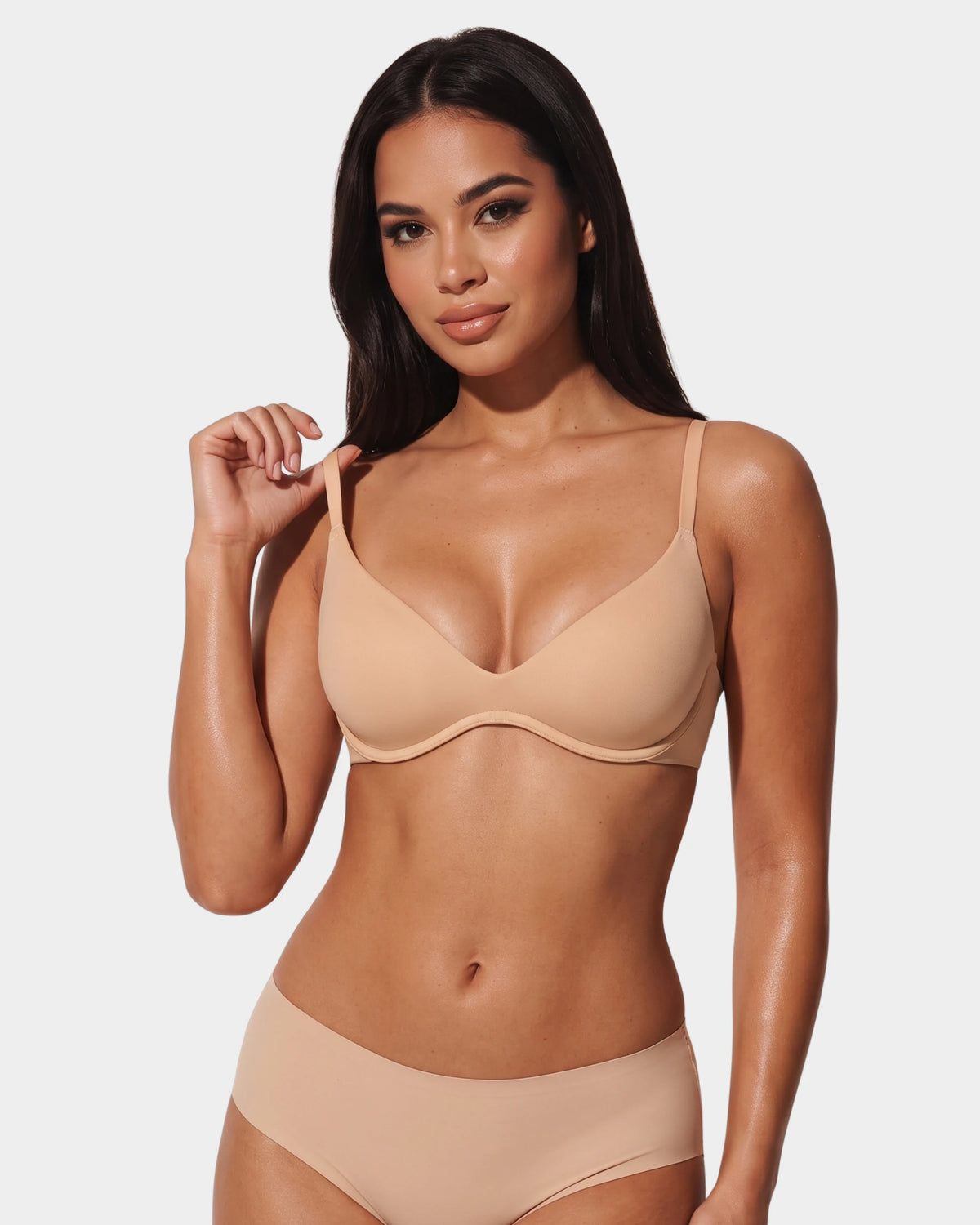
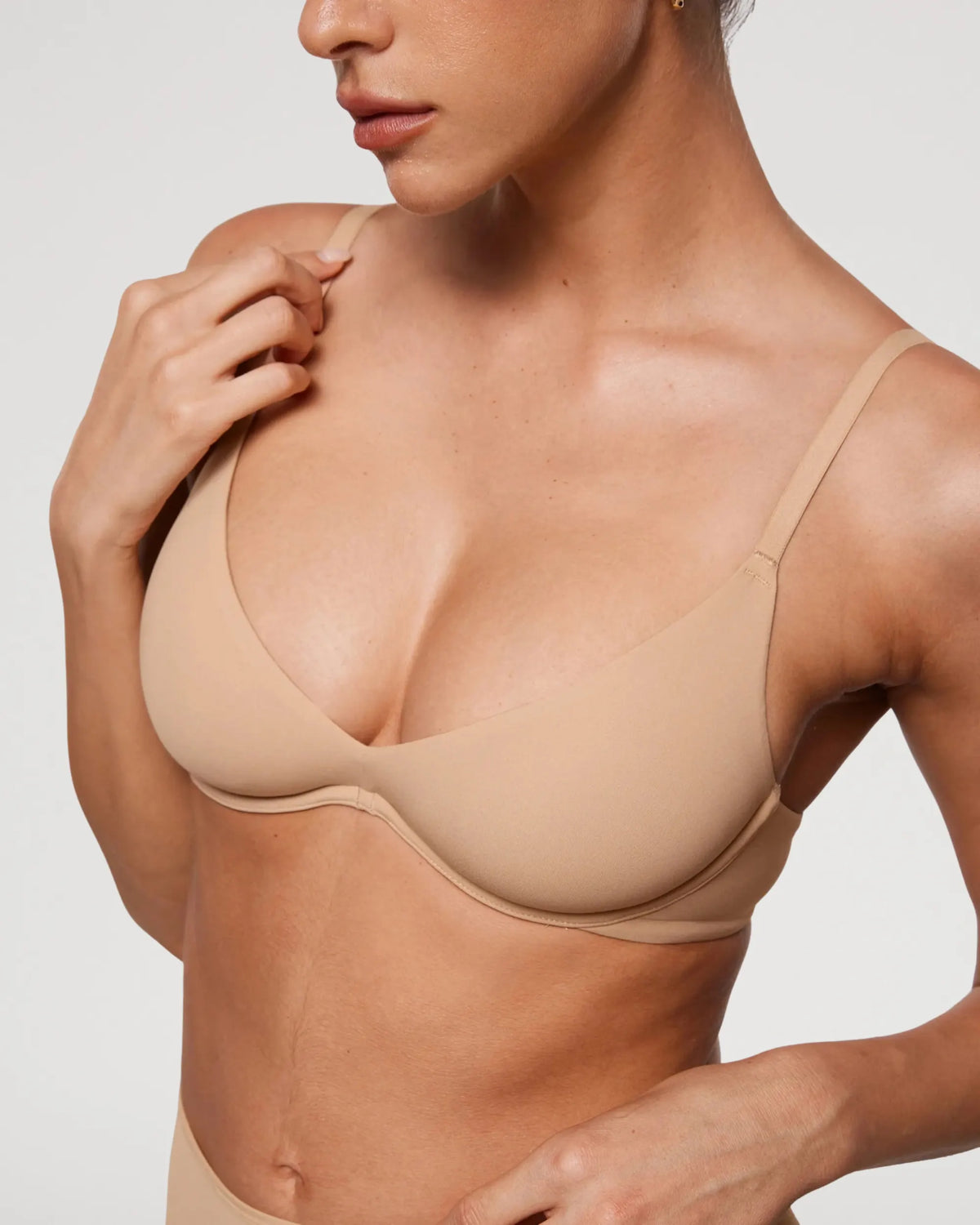
A well-fitting bra should feel snug but comfortable. The band should stay horizontal, the cups should hold your bust without gaping or spilling, and the straps should support the fit without digging into your shoulders.
If your bra moves upward, start with these common causes.
1. Your Band Is Too Loose
The band is the foundation of your bra. It provides most of the support, so if it is too loose, the bra cannot stay anchored. Instead, the back band may creep upward while the front shifts out of place.
How to check:
Stand sideways in a mirror. If the back band sits higher than the front, your band may be too large.
How to fix it:
Try a tighter hook first. If the bra only feels secure on the tightest hook when it is still new, consider going down a band size.
2. Your Straps Are Too Tight
It is tempting to tighten your straps for more lift, but straps are not supposed to do all the work. When they are too tight, they can pull the back band upward and create shoulder pressure.
How to check:
If your straps leave deep marks or your shoulders feel sore, they may be over-tightened.
How to fix it:
Loosen the straps slightly and check whether the band sits more evenly. If the bra loses support after loosening the straps, the band or cup size may need adjusting.
3. Your Cups Are Too Small
Small cups can push breast tissue upward or outward, which may cause the bra to shift. You might notice spillage, pressure at the top of the cups, or the center area not sitting comfortably.
How to fix it:
Try a larger cup size while keeping the band supportive. If you change the band size, remember that cup volume also changes, so sister sizing may help.
4. The Bra Has Stretched Out
Even a favorite bra has a lifespan. Over time, elastic relaxes from washing, wearing, body heat, and movement. When the band loses recovery, it may start riding up even if the size used to be perfect.
How to fix it:
If your bra rides up on the tightest hook, feels loose after washing, or no longer springs back, it may be time to replace it.
5. The Style Does Not Match Your Body or Outfit
Sometimes the size is close, but the style is not right. A bra with a narrow band may shift more easily. A cup shape that does not match your bust can also cause movement. And some outfits need a more specialized bra shape to stay secure.
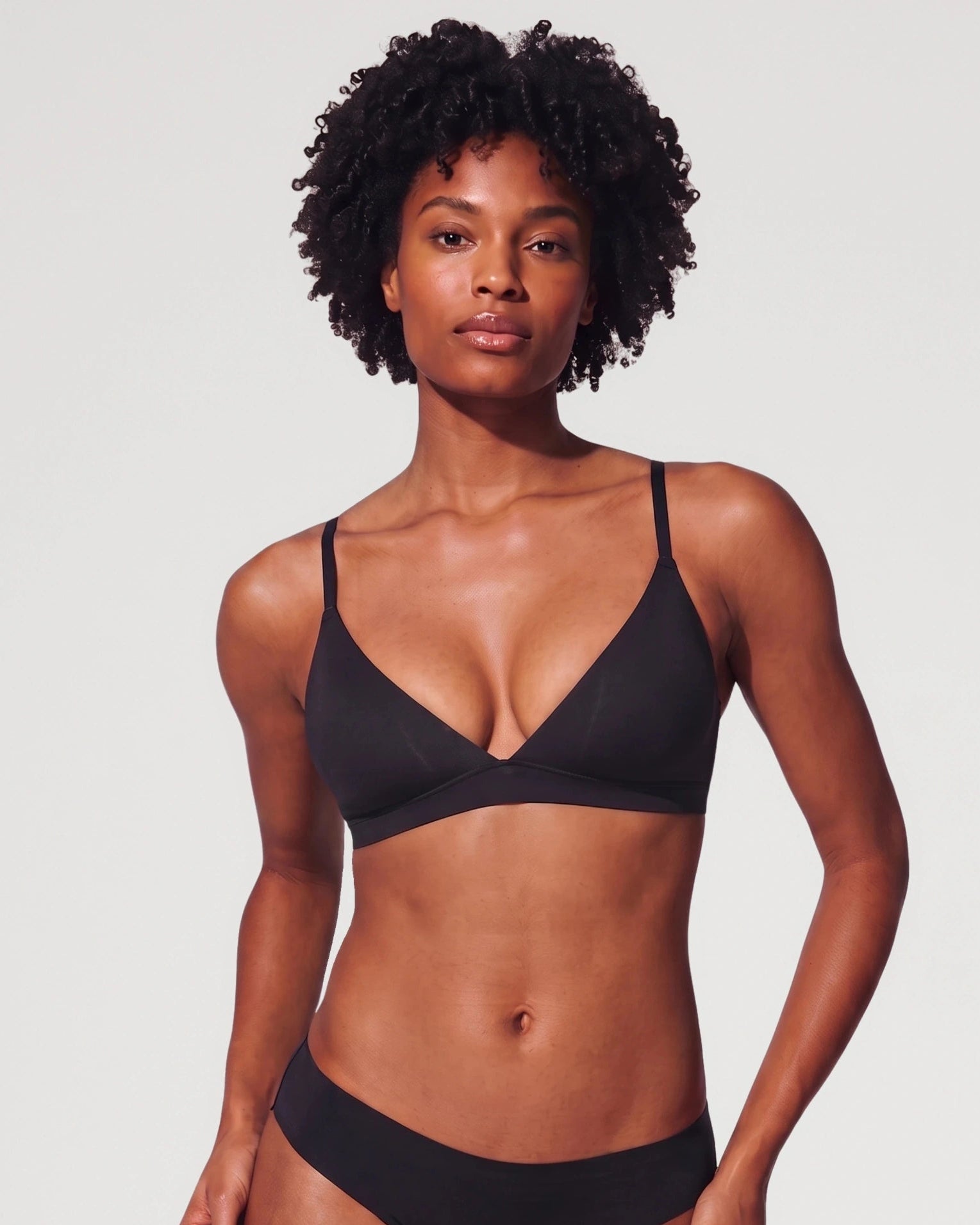
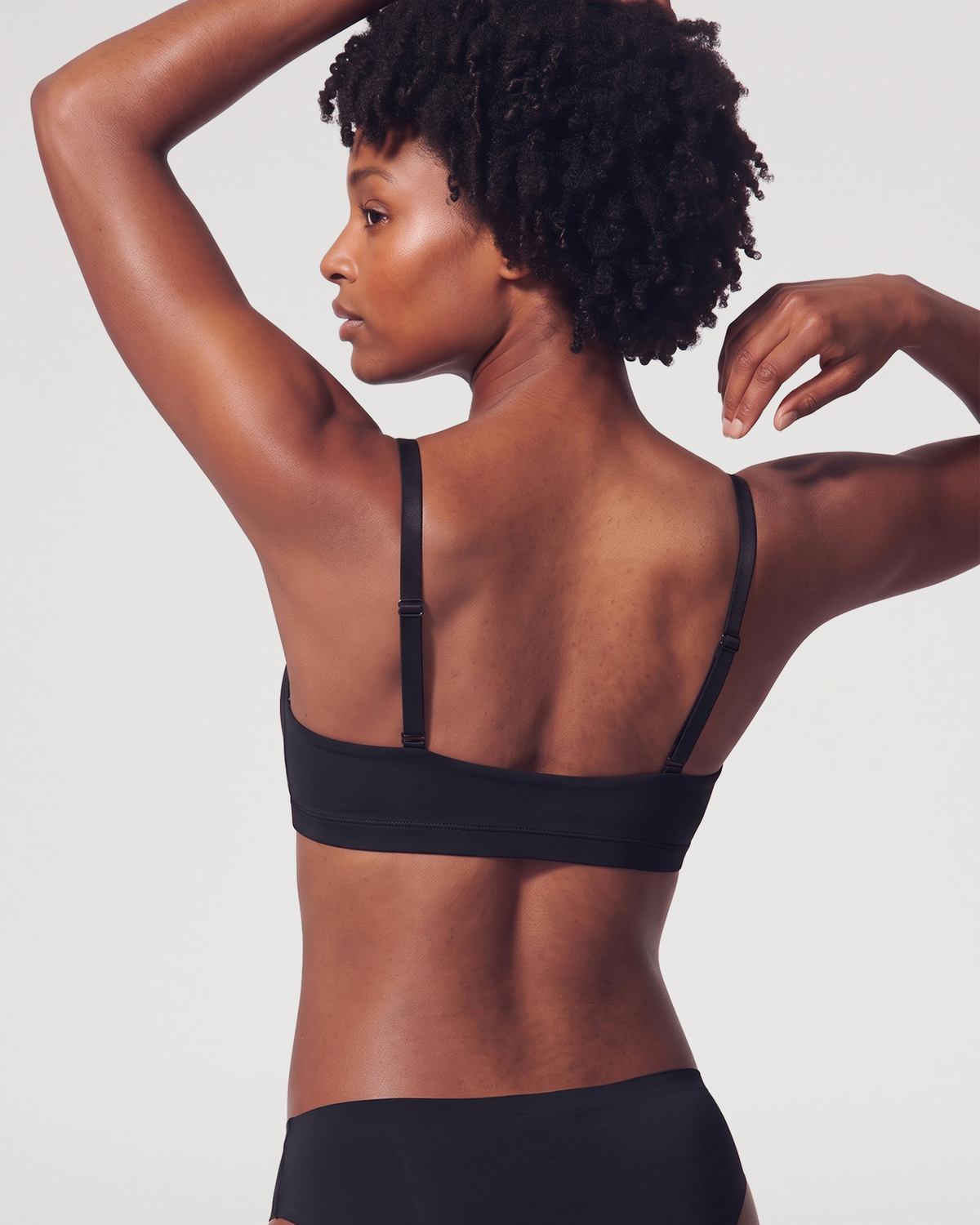
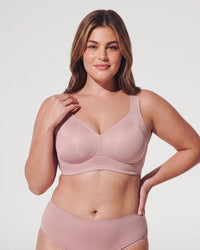
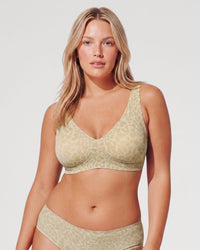
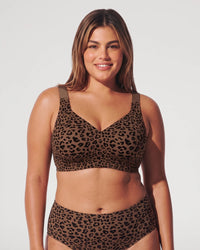
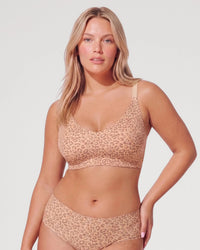
For everyday comfort, a wireless design can be a great option if it still has enough structure. LilyCurve’s Everyday Wireless Plunge Bralette - Unlined is designed with soft stretch fabric, adjustable straps, and a pull-on shape, making it a comfortable choice for daily wear.
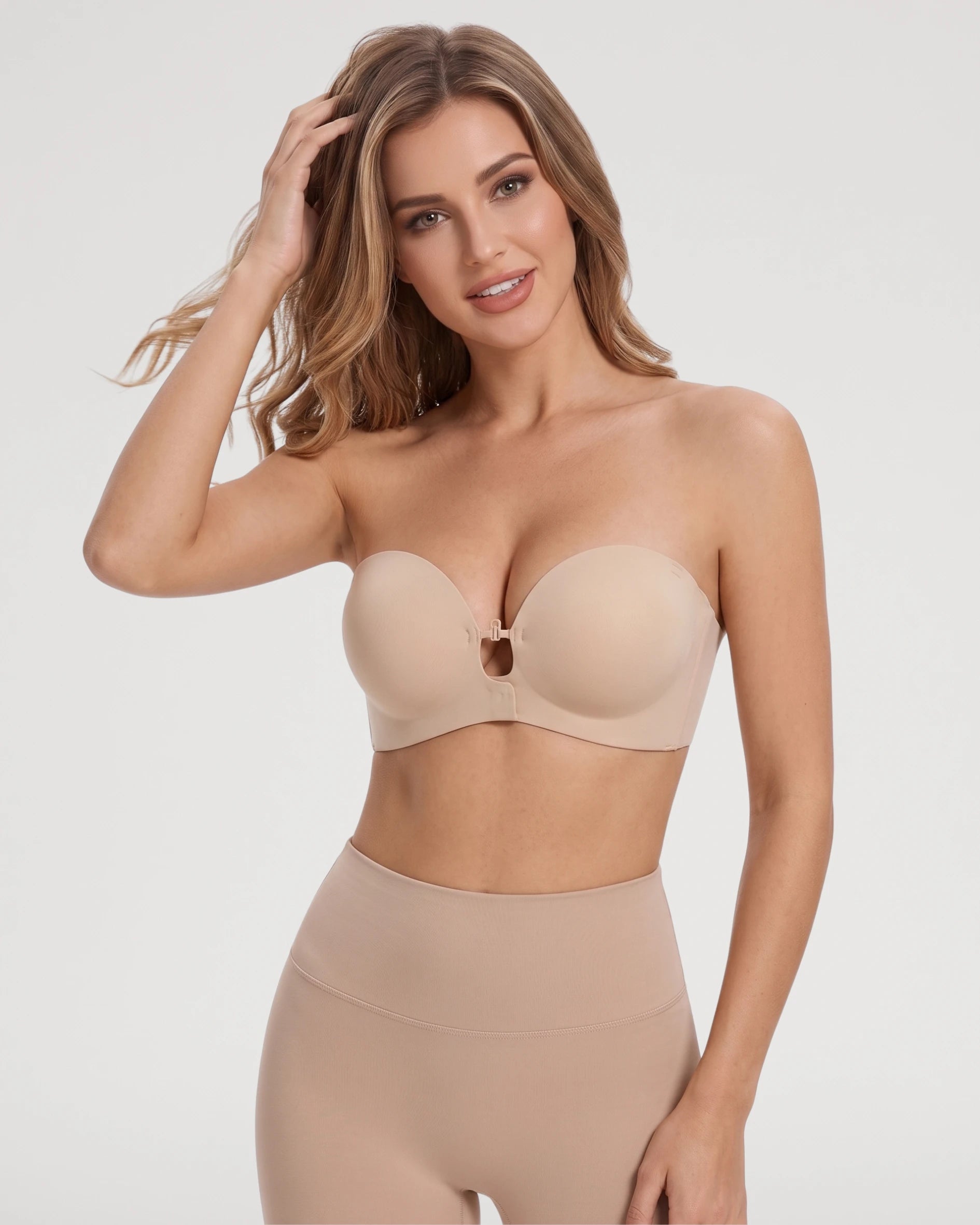
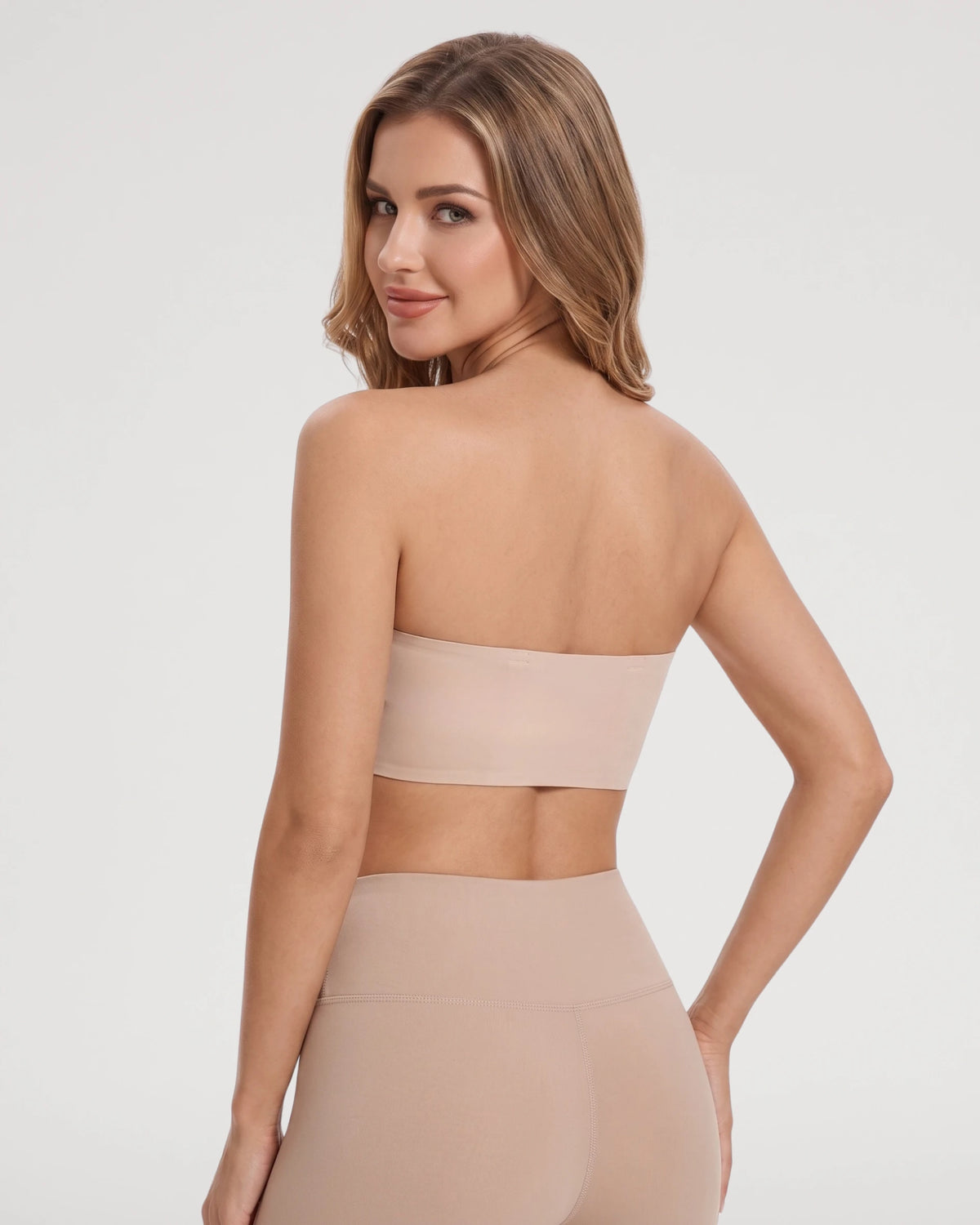
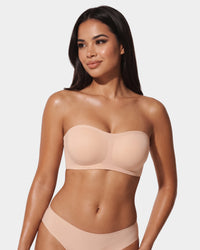
For strapless or tricky necklines, a bra needs more anchoring. The Wireless Front-Closure Molded Push up Strapless Bra includes a front-closure design, grip-focused support, and detachable straps, which can help reduce slipping when you need a more secure style.
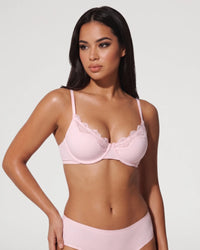
For fuller busts, a minimizer can help distribute shape and support more evenly. The Lace Unlined Underwired Minimizer Bra is designed for fuller-bust support with an unlined feel, breathable fabric, and smoothing side/back coverage.
6. Your Body Has Changed
Bra size can change because of weight shifts, hormonal changes, pregnancy, breastfeeding, workout routines, or natural changes in breast tissue. If several bras suddenly start riding up, your size may have changed.
How to fix it:
Re-measure your underbust and bust. Use the size chart as a starting point, then pay attention to how the bra actually feels on your body.
Quick Fit Test: Is Your Bra Sitting Correctly?
Your band should sit level around your body.
Your cups should not gap, wrinkle, or overflow.
Your straps should feel secure without digging.
Your bra should stay in place when you raise your arms.
You should not need to adjust it constantly throughout the day.
If your bra fails more than one of these checks, it is probably not the right fit.
How to Stop Your Bra From Riding Up
Start with the band. A snug, level band is the biggest fix.
Adjust the straps without over-tightening them.
Check cup volume if you notice spillage or pressure.
Replace stretched-out bras.
Choose a style that matches your outfit, bust shape, and daily movement.
Final Thoughts
A bra that rides up is not a small annoyance. It is a fit signal. Most of the time, the issue comes from a loose band, tight straps, small cups, worn elastic, or a style that does not match your body.
The right bra should help you feel supported without constant adjusting. Whether you prefer wireless comfort, strapless security, or fuller-bust shaping, LilyCurve has options designed to help your bra stay where it belongs.
Explore more styles in the LilyCurve bra collection.